Most popular this season
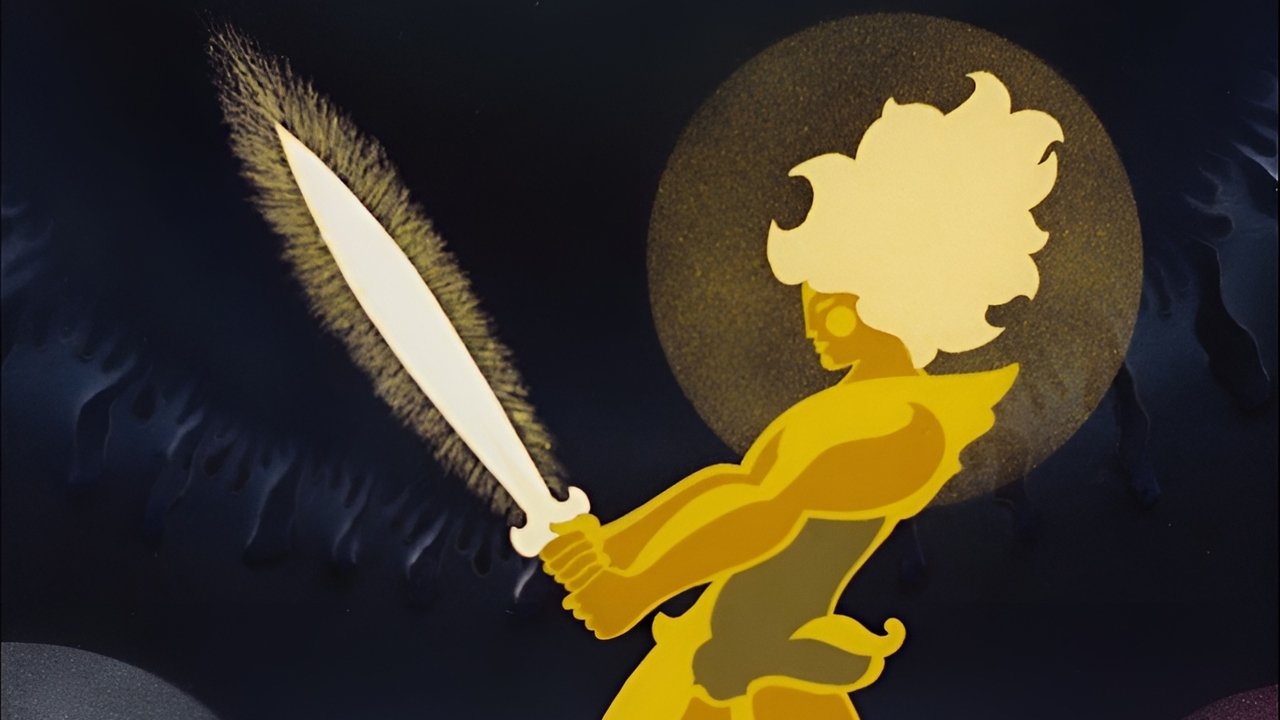
Son of the White Mare
A horse goddess gives birth to three powerful brothers who set out into the Underworld to save three princesses from three evil dragons and reclaim their ancestors' lost kingdom.
AdventureFantasy
View
Most popular this season
A horse goddess gives birth to three powerful brothers who set out into the Underworld to save three princesses from three evil dragons and reclaim their ancestors' lost kingdom.
AdventureFantasy
View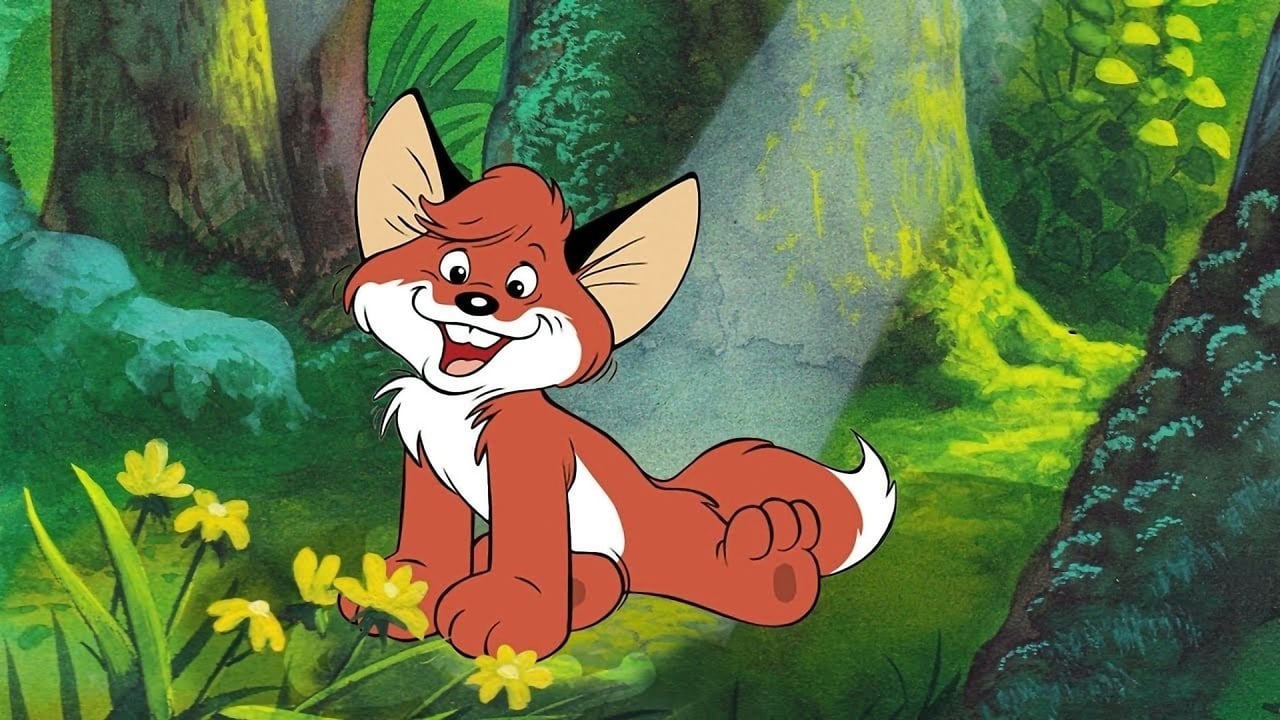
Most popular this season
A tale about a little fox Vuk from the novel of the famous Hungarian writer István Fekete.
Family
View
Most popular this season
A painter falls asleep beneath a magical elm tree and awakens with magical powers that allow him to communicate with the creatures of the forest. In the limited time that he possesses these powers, he must help save the forest from the threat of the evil Cactus King.
FantasyFamilyMusic
View
Most popular this season
A traditional Hungarian poetic fairytale that describes the epic adventures of a young shepherd through love, war, magic and death.
AdventureFantasy
View
Most popular this season
An advanced spaceship called Delta is created to establish dialogue between intergalactic civilizations. Soon after an alien journalist boards the ship, she and the captain realize the AI that controls the ship can act on its own.
Science Fiction
View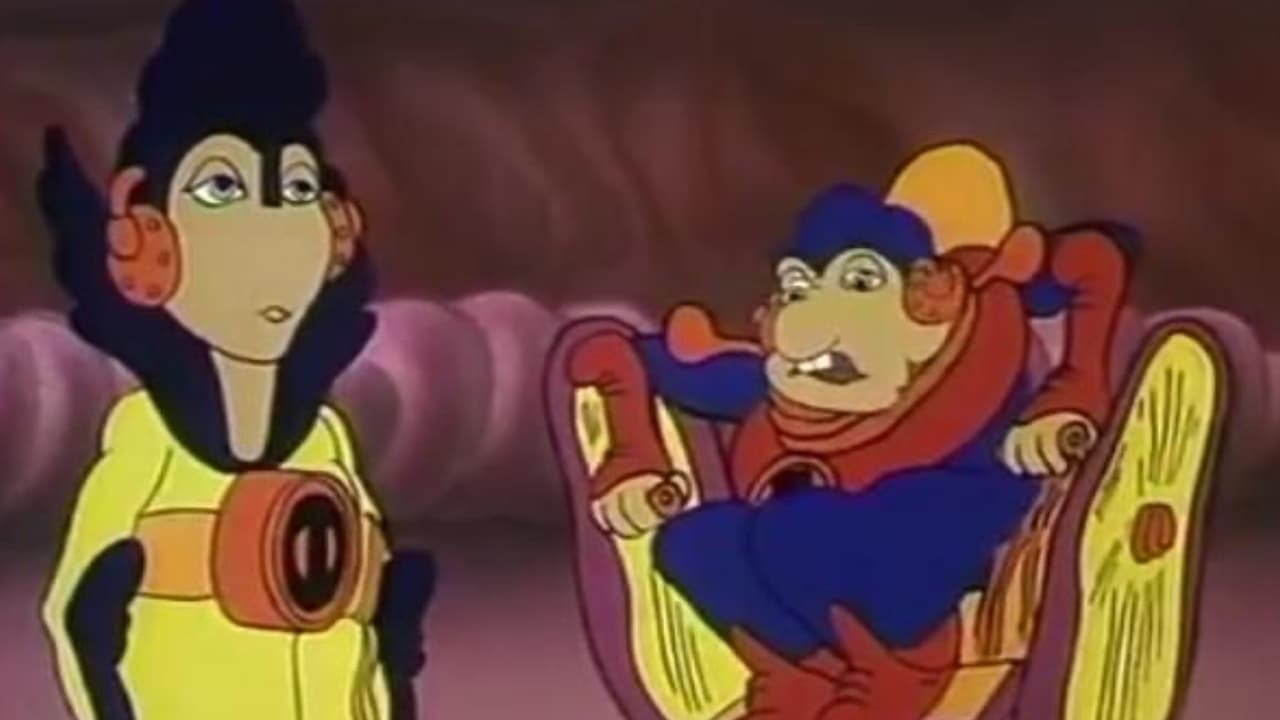
Most popular this season
Adventurer Felipe ventures on a quest with Commander Smollet to stop a villain in search of a gem that will restore life on Earth.
Science FictionAdventure
ViewAnimation from Hungary and its neighbours
282 films and series from Pannonia Film and the Zagreb school to the studios of Bucharest, Sofia and Ljubljana: folk-tale epics, the Mézga family, Oscar-winning shorts and new auteur films. Search a title and press Watch now.
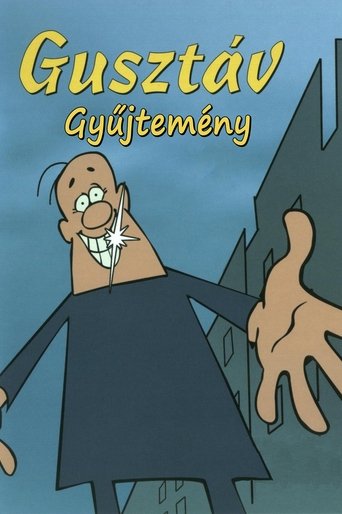 SeriesGustavus121 episodes
 SeriesMézga család39 episodes
 SeriesHungarian Folktales100 episodes
 SeriesPityke13 episodes
 SeriesBerry and Dolly102 episodes
 SeriesMézga Aladár különös kalandjai13 episodes
 SeriesMikrobi14 episodes
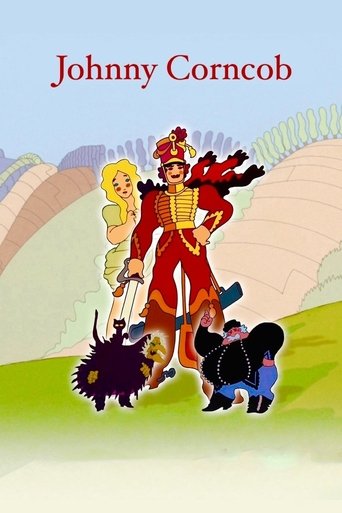 FilmJohnny Corncob1973 · 78 min
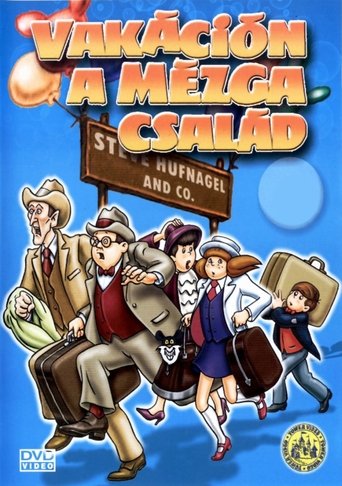 SeriesVakáción a Mézga család13 episodes
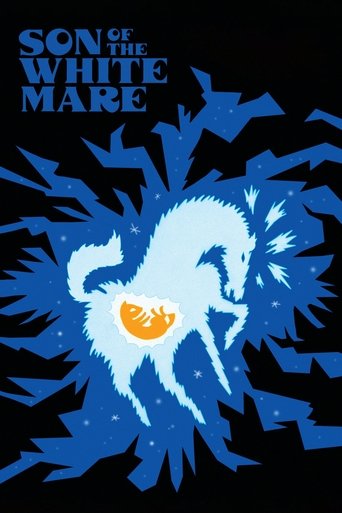 FilmSon of the White Mare1981 · 86 min
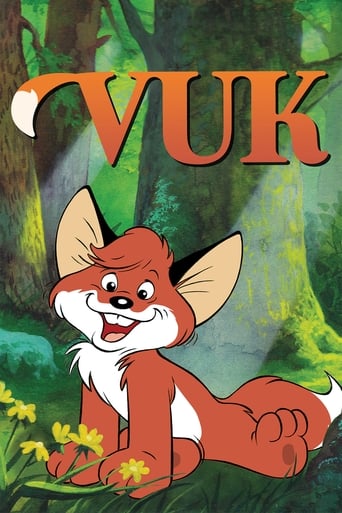 FilmThe Little Fox1981 · 74 min
 ShortDune2020 · 4 min
 ShortThe Girl Who Wasn't Afraid of Bears2025 · 20 min
 ShortFachuk2025 · 12 min
 ShortShoes and Hooves2025 · 15 min
 ShortWho's Afraid of Slavko?2025 · 1 min
 ShortNo Room2024 · 6 min
 FilmJohn Vardar vs the Galaxy2024 · 86 min
 ShortThe Man Who Wrote About His Past2024 · 2 min
 ShortSimply Divine2024 · 15 min
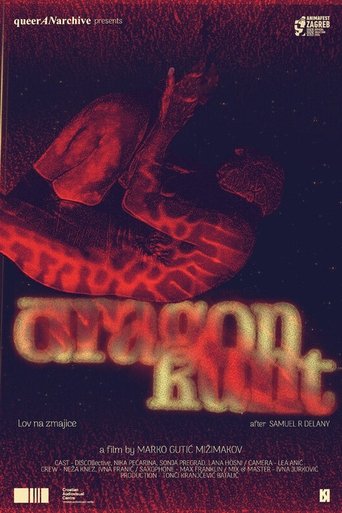 ShortDragon Hunt2024 · 17 min
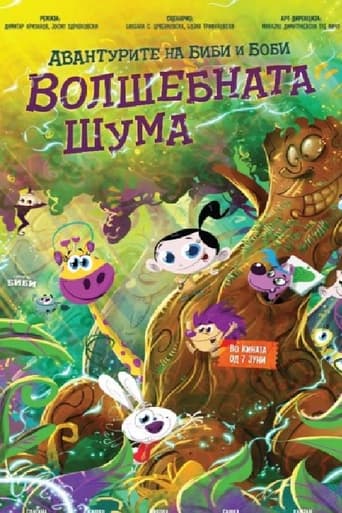 FilmThe Adventures of Bibi and Bobby: The Magic Forest2024 · 45 min
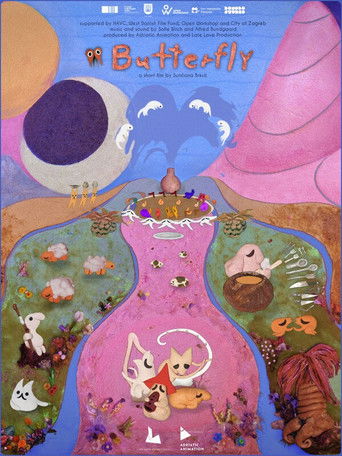 ShortButterfly2024 · 8 min
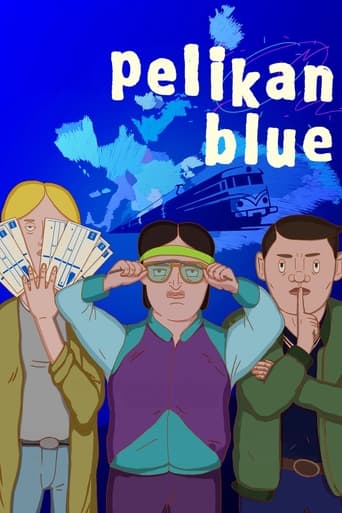 FilmPelikan Blue2024 · 80 minSeriesGustavus121 episodesSeriesMézga család39 episodesSeriesHungarian Folktales100 episodesSeriesPityke13 episodesSeriesBerry and Dolly102 episodesSeriesMézga Aladár különös kalandjai13 episodesSeriesMikrobi14 episodesSeriesVakáción a Mézga család13 episodes
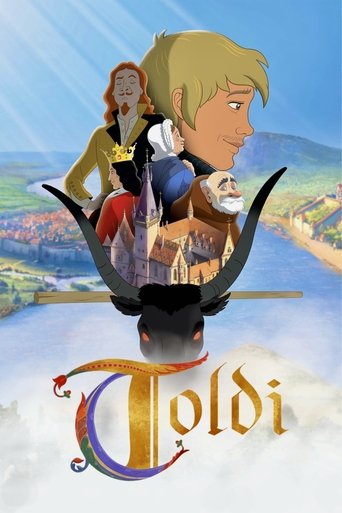 SeriesToldi13 episodes
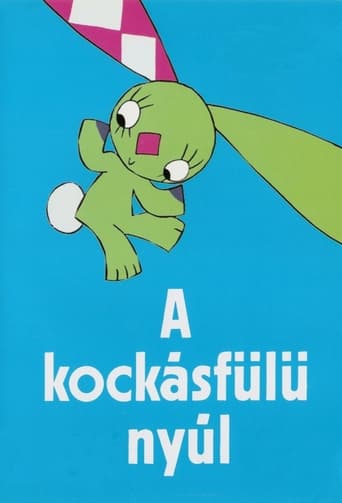 SeriesThe rabbit with checkered ears26 episodes
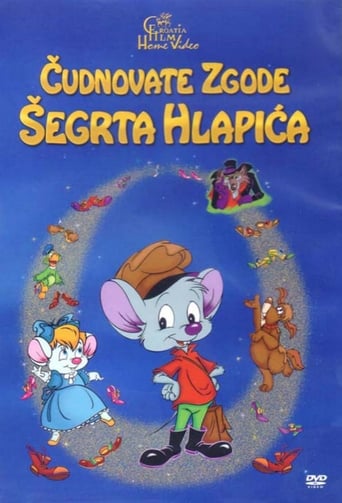 SeriesLapitch the Little Shoemaker26 episodes
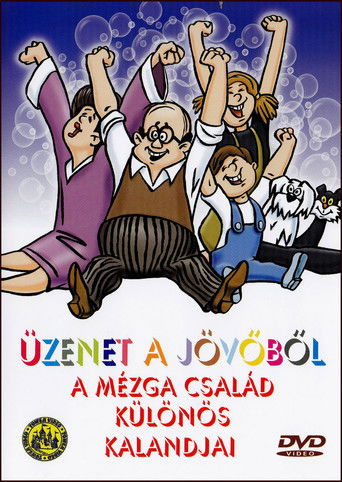 SeriesÜzenet a jövőből - A Mézga család különös kalandjai13 episodes
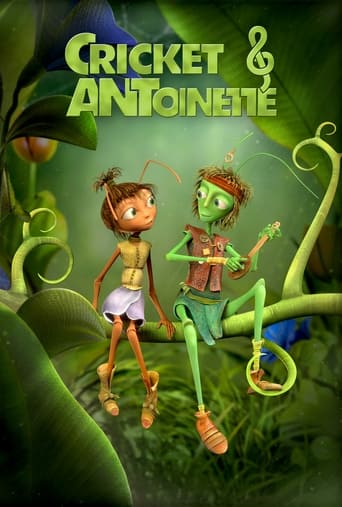 FilmCricket & Antoinette2023 · 85 min
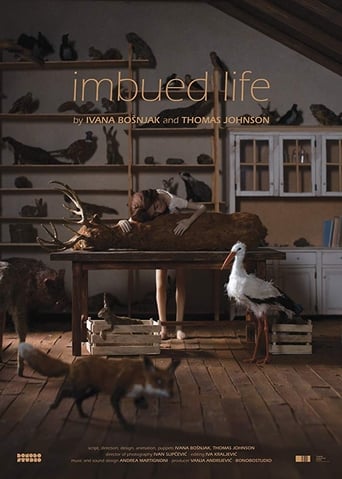 ShortImbued Life2019 · 12 min
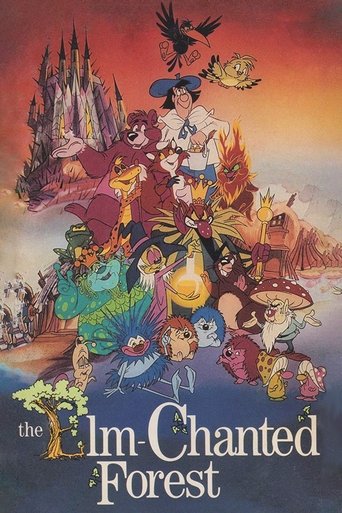 FilmThe Elm-Chanted Forest1986 · 83 min
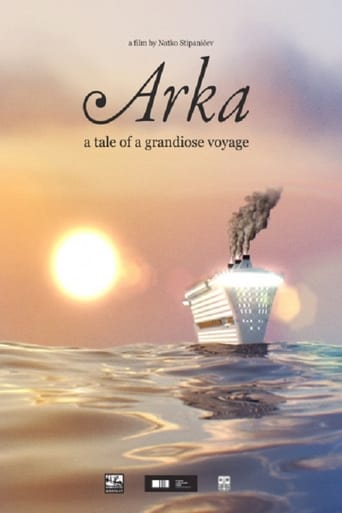 ShortArka2020 · 14 min
 ShortDota2016 · 5 min
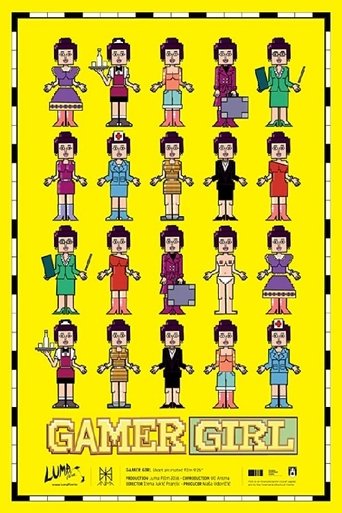 ShortGamer Girl2016 · 9 min
 ShortRed Riding Hood Redux2017 · 12 min
 ShortThe Tower2021 · 4 min
 ShortCyclists2018 · 8 minSeriesLapitch the Little Shoemaker26 episodes
 ShortPeter's Forest2016 · 8 min
 FilmLapitch the Little Shoemaker1997 · 83 minSeriesHungarian Folktales100 episodesFilmJohnny Corncob1973 · 78 minFilmSon of the White Mare1981 · 86 minFilmThe Little Fox1981 · 74 min
 FilmHeroic Times1984 · 83 min
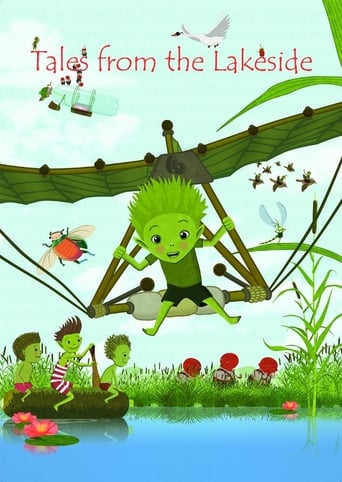 FilmTales from the Lakeside2017 · 64 minSeriesToldi13 episodesFilmThe Elm-Chanted Forest1986 · 83 min
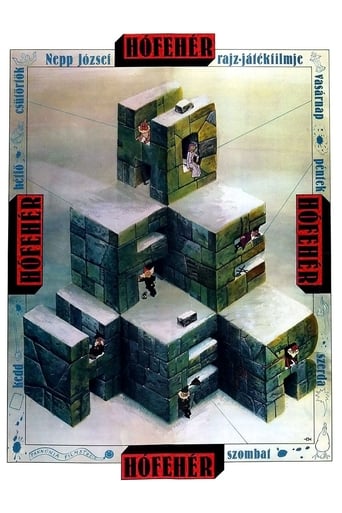 FilmSnow White1984 · 90 minSeriesThe rabbit with checkered ears26 episodes
 ShortThe Abduction of the Sun and the Moon1968 · 12 min
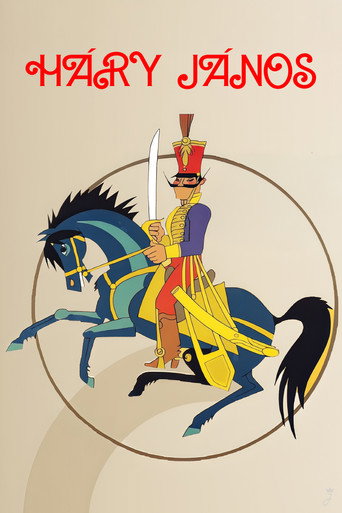 FilmJános Háry1983 · 60 min
 ShortGrandomaniya1979 · 10 min
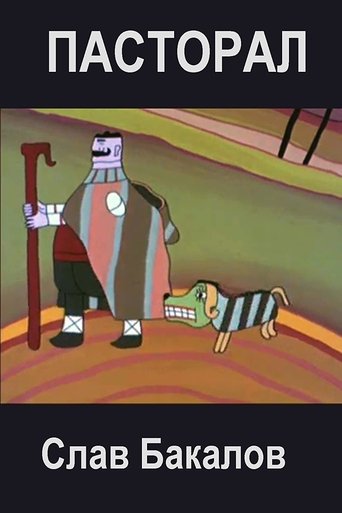 ShortPastoral1980 · 10 min
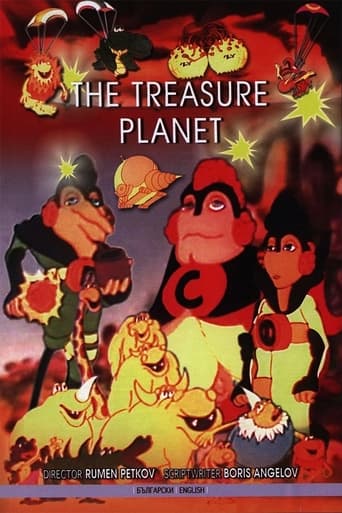 FilmTreasure Planet1982 · 72 min
 ShortThe Three Fools and the Automobile1973 · 8 min
 ShortCuckoo1983 · 3 min
 ShortThe Hole1966 · 6 min
 ShortThe Scissors and a Boy1965 · 7 min
 ShortCaw1979 · 5 min
 ShortTrouble1967 · 7 min
 ShortA Marriage1984 · 6 min
 ShortDiurnal Music1972 · 10 min
 ShortAquatoria2005 · 5 min
 ShortAlter ego1977 · 7 min
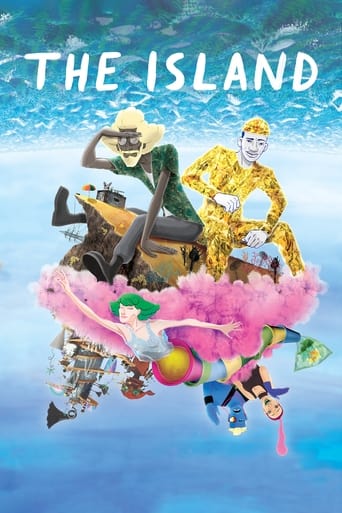 FilmThe Island2023 · 85 min
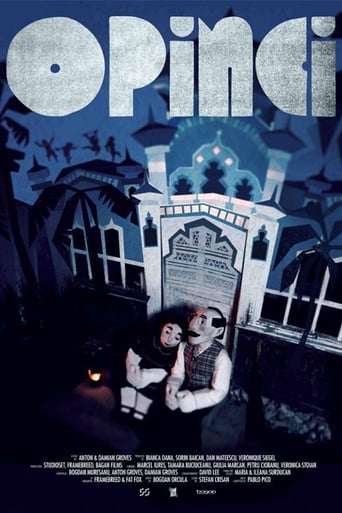 ShortMy Father's Shoes2019 · 18 min
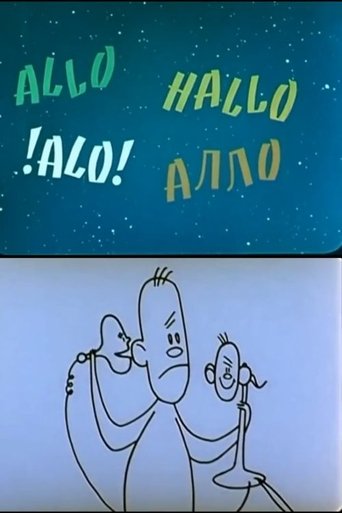 ShortAudio Video1963 · 9 min
 ShortHeiduque1985 · 10 min
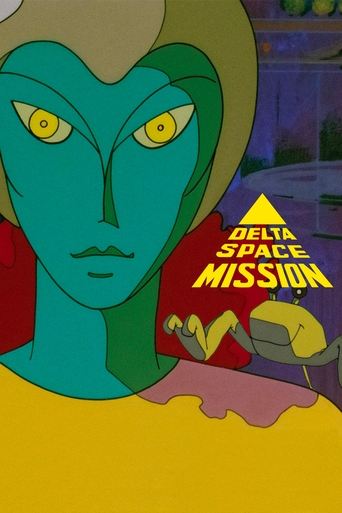 FilmDelta Space Mission1985 · 71 min
 ShortThe Call2018 · 10 min
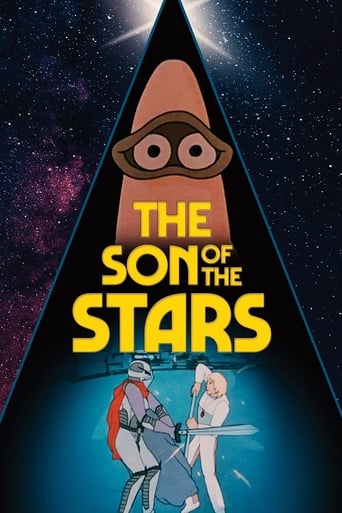 FilmThe Son of the Stars1988 · 95 min
 ShortThe Apprentice Wizard1985 · 9 min
 ShortIcarus1974 · 7 min
 ShortGenesis1975 · 10 min
 FilmThe Amazing Adventures of the Musketeers1988 · 81 min
 FilmBirds Like Us2017 · 83 min
 ShortWork2008 · 5 min
 ShortXX2022 · 11 min
 ShortGrey Days2022 · 6 min
 ShortFreight2019 · 5 min
 ShortRebellious Essence2017 · 5 min
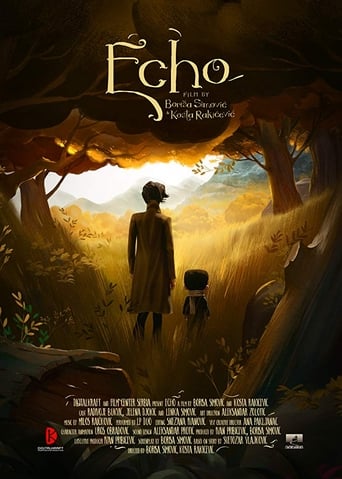 ShortEcho2018 · 8 min
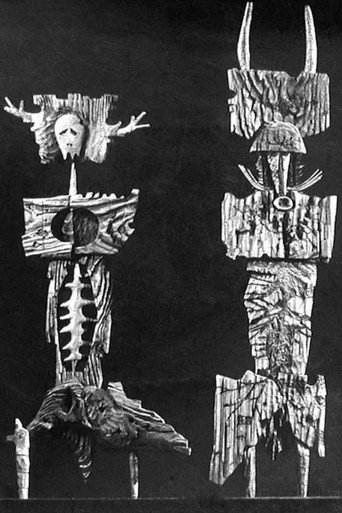 ShortFantastic Ballad1958 · 12 min
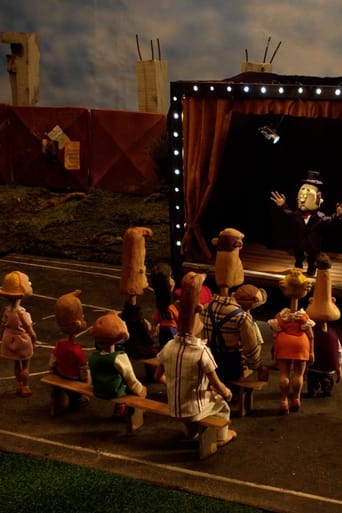 ShortCourtyard2006 · 25 min
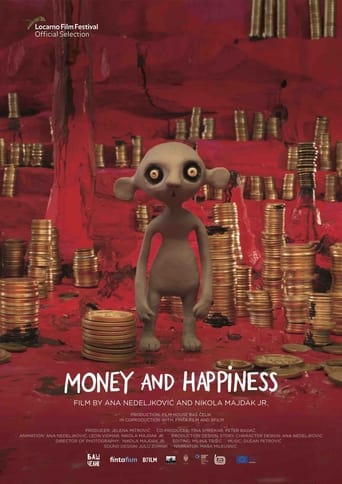 ShortMoney and Happiness2022 · 10 min
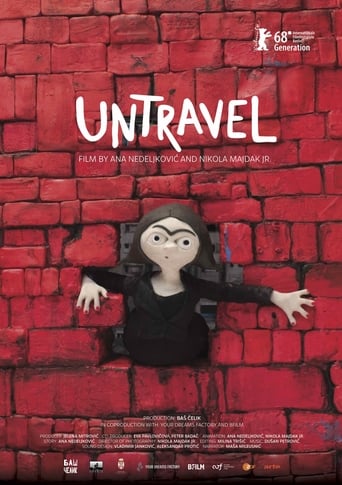 ShortUntravel2018 · 9 min
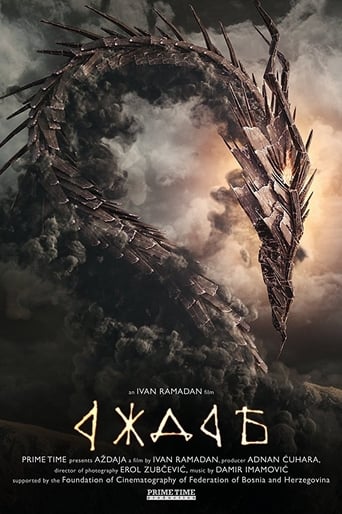 ShortThe Dragon2016 · 13 min
Central and Southeast Europe have given the world some of its most original animation. In Budapest, the Pannonia Film studio produced folk-tale epics, comic family series and Oscar-winning short films. In Zagreb, a group of artists created the famous Zagreb school, whose bold, modern style won prizes around the world. Bucharest, Sofia, Ljubljana, Belgrade and Skopje built their own studios and traditions. animedrive is a guide to all of this animation, written in English for viewers everywhere.
Here you will find 282 films and series, from the first short cartoons of the 1950s to the newest auteur films of 2026. There are Marcell Jankovics's Johnny Corncob and Son of the White Mare, Attila Dargay's The Little Fox, Ferenc Rófusz's Oscar-winning The Fly, the Mézga family and Hungarian Folktales; the Croatian features The Elm-Chanted Forest and Lapitch the Little Shoemaker; Romania's Delta Space Mission and the films of Ion Popescu-Gopo; Bulgaria's Treasure Planet and The Three Fools; and new films from Slovenia, Serbia, North Macedonia and Bosnia and Herzegovina.
Every title has its own page with the story, the studio, the director and, for a series, every episode with its air date, plus a Watch now button that opens it on JustWatch for the country you choose. This guide explains how animedrive is laid out and then travels country by country through the history of the region's animation, introducing its artists, studios and most rewarding films.
The animation of Central and Southeast Europe is remarkably inventive. During the second half of the twentieth century, state studios in Budapest, Zagreb, Bucharest and Sofia employed hundreds of artists, who were free to experiment with style even when stories had to follow official lines. The result was a body of work full of visual ideas: folk-art patterns, cut-out figures, painted backgrounds, surreal humour and music used in place of dialogue.
These films also carry the stories of the region: Hungarian legends of heroes and magical animals, Croatian fairy tales, Romanian science fiction and Bulgarian satire. Many of the short films speak a universal language of images and music, so they can be enjoyed by viewers everywhere, and the features are a wonderful way to discover the culture of a part of Europe that many viewers know little about.
animedrive has a dark, elegant look. The page is charcoal, and a slim navigation bar floats at the top with a soft blur, carrying the AnimeDrive wordmark, uppercase links to the main shelves, a burger menu and a rounded search field. Below it, a wide featured slider presents a title at a time: a large still from the film, a small Most popular this season label, the title in bold uppercase letters, a short synopsis, its genres and a dusty rose View button.
The rest of the home page is a series of shelves, each introduced by a large uppercase white title and a small round arrow that opens the full shelf. Inside each shelf, posters sit six across on a large screen; beneath each poster, a small label says whether it is a film, a short or a series, the title appears in dusty rose and a last line gives the year and running time or the number of episodes. On a phone, the menu folds into the burger and the posters drop to two columns.
The quickest way to a title is the search field: type an English or an original title, or part of either, and results appear as you type. For a series, add a season and an episode, such as Hungarian Folktales S2E3, to jump straight to that episode. The Browse page lists every title from A to Z.
To explore, open a shelf. Five country shelves gather Hungary, Croatia and the Zagreb school, Romania, Bulgaria, and Slovenia, Serbia and their neighbours; Folk tales and legends gathers the myths and fairy tales; Features and Short films split the collection by length; Series gathers the television series; and three era shelves follow the history from the 1950s to today. Save anything you like with Add to My List, which stays in your browser.
When you are ready to watch, open the title page, choose your country and press Watch now. JustWatch then lists the services that carry the title in that country. Classic films from the region are often restored and released by national film archives, and their availability can change as new restorations appear, so the button always shows the current offers.
The Pannonia Film Studio in Budapest was the heart of Hungarian animation for half a century. Founded in the 1950s, it grew into one of the largest animation studios in Europe, making short films, television series and features. Its artists ranged from popular entertainers to bold experimenters, and they shared a love of strong design, music and humour.
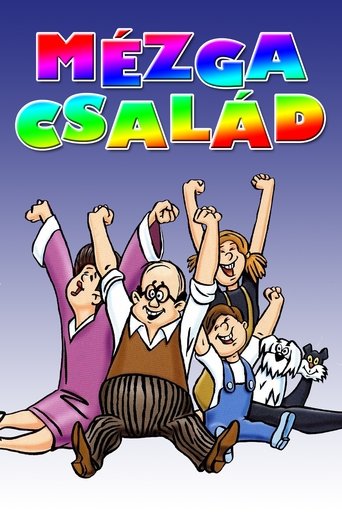
One of Pannonia's most beloved creations is the Mézga family, a chaotic Budapest household created by the writer József Romhányi and the director József Nepp. In Mézga család and its sequels, such as Mézga Aladár különös kalandjai and Vakáción a Mézga család, the family stumbles through comic adventures, from a radio link with a distant descendant in the future to the space journeys of young Aladár. Earlier, Gustavus followed a hapless everyman in short, witty episodes, and Vízipók-csodapók followed a friendly water spider and his friends in a gentle series for children.
Marcell Jankovics was one of the great masters of Hungarian animation. In 1973 he directed Johnny Corncob, an adaptation of Sándor Petőfi's epic poem János vitéz, about a young shepherd who loses his beloved and travels through the world and the underworld to find her. It was the first full-length animated feature made in Hungary, and its flowing, psychedelic style made it a classic.
His masterpiece, Son of the White Mare, from 1981, draws on ancient Hungarian and Central Asian myths to tell the story of a hero born of a white mare who descends into the underworld to rescue three princesses from three dragons. Its swirling, ornamental designs, inspired by folk art, make it one of the most visually striking animated films ever made. Jankovics also made the short Sisyphus, a three-minute film of a man pushing a rock up a hill, drawn in a single bold line and nominated for an Oscar, The Struggle, Song of the Miraculous Hind, about the legendary origins of the Hungarian people, and The Tragedy of Man, an epic adaptation of Imre Madách's drama about the history of humanity.
Attila Dargay made the most popular Hungarian family features. The Little Fox, from 1981, known in Hungary as Vuk, follows a young fox who loses his family to a hunter and is raised by his wise uncle, until he grows clever enough to outwit the hunter himself. It became a favourite of Hungarian children and was followed decades later by the computer-animated A Fox's Tale.
Dargay's Mattie the Goose-Boy, from 1977, retells a classic story of a peasant boy who takes revenge three times on a cruel landlord, and Heroic Times, from 1984, adapts János Arany's Toldi, the story of a young man of extraordinary strength who becomes a knight. The Treasure of Swamp Castle, based on Mór Jókai's novel, is a lively adventure about a hidden treasure, and Willy the Sparrow follows a boy who is turned into a sparrow and learns to see the world through the eyes of a bird.
Hungarian short films have won prizes around the world. Ferenc Rófusz's The Fly, from 1980, follows a fly's journey through a house in a single, breathtaking point-of-view shot, drawn in pencil, and it won the Oscar for best animated short, the first for a Hungarian film. Géza M. Tóth's Maestro, from 2005, shows a strange performer preparing for his big moment, and was nominated for an Oscar. Péter Vácz's Rabbit and Deer mixes drawn and stop-motion animation in a tender story of two friends, one of whom discovers the third dimension.
The Short films shelf gathers more than two hundred shorts from across the region, from the witty Pannonia shorts of the 1960s and 1970s, such as Moto Perpetuo, Ad Astra and 1,2,3… The History of Numbers, to the experimental work of today. Many shorts use music alone, so they can be enjoyed by viewers of every language.
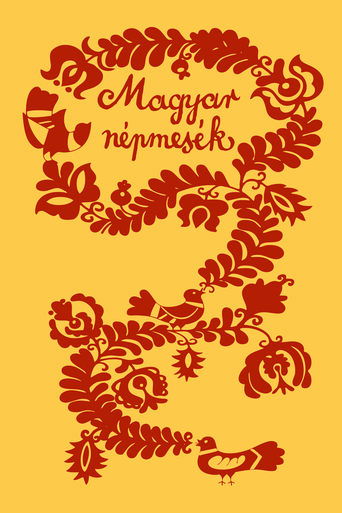
Hungarian Folktales, first broadcast in 1977, is one of the most loved series in Hungarian television history. Each short episode retells a village folk tale, with a narrator's warm voice and designs drawn from the embroidery, pottery and carved wood of Hungarian folk art. The stories feature clever peasants, foolish kings, talking animals and magical gifts, and their gentle humour makes them perfect for young children.
The series is a fine introduction to the folk-tale tradition that also inspired the great features. The Folk tales and legends shelf gathers it with Son of the White Mare, Johnny Corncob, Heroic Times, Song of the Miraculous Hind, The Abduction of the Sun and the Moon and other legends from across the region.
Hungarian animation has a great comic tradition. Béla Ternovszky's Cat City, a 1986 spy parody about mice battling a criminal organisation of cats, became a cult classic, and its sequel Catcher: Cat City 2 returns to the story twenty years later, when the last tribe of cats plans its revenge. The Mézga family series, Gustavus and the comic shorts of the 1970s share the same sharp, satirical humour, often aimed at the frustrations of everyday life.
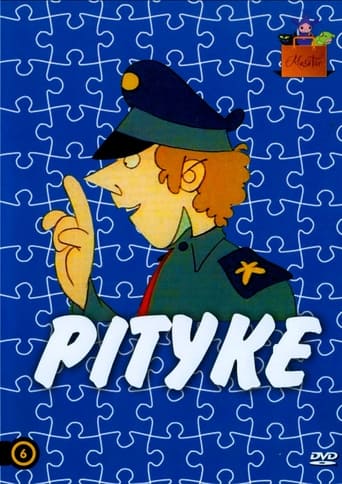
For families, Pityke, Vízipók-csodapók and The rabbit with checkered ears offer gentle comedy for young viewers, and Berry and Dolly, from 2010, adapts popular picture books about two small friends in a garden world.
Since 2000, a new generation of Hungarian animators has made features and shorts of great variety. Four Souls of Coyote, from 2023, retells a Native American creation story with a strong environmental message, and The Legend of King Solomon is a family adventure. Short films from the Budapest film schools, such as Symbiosis and Superbia, win prizes at festivals around the world. The Since 2000 shelf gathers this new wave.
In the 1950s, a group of artists at the Zagreb Film studio began making cartoons unlike anything seen before. Rejecting the round, realistic style of American cartoons, they used flat shapes, bold colours, modern graphic design and stories that were often philosophical or satirical. In 1962, Dušan Vukotić's Ersatz became the first foreign animated film to win the Oscar for best animated short, and the Zagreb school became world famous. The Animafest Zagreb festival, founded in 1972, is still one of the most important animation festivals in the world.
Croatian animation also produced family features. Milan Blažeković's The Elm-Chanted Forest, from 1986, follows a young painter who discovers a magical forest where the trees and animals come to life, and his The Magician's Hat continues the adventures of the forest's inhabitants. Blažeković's Lapitch the Little Shoemaker, from 1997, follows a brave little mouse, a shoemaker's apprentice who leaves his harsh master and sets out into the world with his friend Gita and his loyal dog; it was later turned into a series, Lapitch the Little Shoemaker.
The new generation includes Hedgehog's Home, Eva Cvijanović's stop-motion adaptation of Branko Ćopić's poem about a hedgehog who loves his humble home, Cricket & Antoinette, a family feature about a cricket and an ant, and many prize-winning shorts such as Imbued Life and Dota. The Croatia and the Zagreb school shelf gathers them all.
Romanian animation begins with Ion Popescu-Gopo, the artist who created the famous little man, a tiny, bald and curious figure who walks through the history of the world. Gopo's Brief History, from 1956, follows this little man from the creation of the planet to the space age in a few minutes of clean, witty drawing, and it won the Palme d'Or for short film at Cannes in 1957. Gopo continued the little man's adventures in Homo sapiens, from 1960, and the series of shorts that followed made Romanian animation famous across Europe. His earlier Little Liar and the cheerful Tortul de ciocolată, from 1955 and 1956, show the studio's early fairy-tale style.
The Animafilm studio in Bucharest, founded in 1964, became home to a large team of animators. In the 1970s and 1980s the studio produced elegant, thoughtful shorts such as Icarus, Genesis, Ode, Alter ego and Quo vadis homo sapiens, which use music, mythology and philosophy to explore the human condition. The comic shorts of Guguta the Hairdresser, Trei mere and Other Bottles show the lighter side of the studio, full of slapstick and wordplay.
Romanian animated features are rare treasures. Delta Space Mission, from 1985, directed by Călin Cazan and Mircea Toia, is a colourful science-fiction adventure about Delta, a great spaceship built to open dialogue between the civilisations of the galaxy, and the alien journalist who comes aboard; its electronic soundtrack and bright designs give it a unique feel. The Son of the Stars, from 1988, by the same pair, is set in the year 6470, when two explorers answer a mysterious distress call and leave their young son aboard their ship. Maria and Mirabella in Transistorland, from 1989, a joint Romanian and Soviet production, mixes live action and animation as two little girls travel into a magical land of electronics. The Apprentice Wizard, a late Gopo short starring the puppet man Galax, and the adventure films Heiduque and The Amazing Adventures of the Musketeers complete the shelf of the 1980s.
Modern Romanian animation is small but full of talent. The Island, from 2023, is a musical comedy that retells Robinson Crusoe as a witty satire with songs for older viewers, while My Father's Shoes, The Call, Somewhere, Baby Nap, It's a Clown's Life and Sașa and Petre are prize-winning short films from the young generation. The Romania shelf gathers them all, and the Romania and Bulgaria guide explains where to start.
Bulgarian animation grew from the studio at Sofia's Boyana film centre in the 1950s and reached its peak in the 1960s and 1970s with a generation of artists sometimes called the Bulgarian school. The studio's early shorts, such as A Mouse and a Pencil and Invisible Mirko, from 1958, show a playful fairy-tale style, and Parade, from 1960, celebrates the joy of music and movement. Todor Dinov, the founder of the school, made The Lighting Rod, Jealousy and The Apple, short films full of wit and graphic invention, and his later Banished from Eden retells the story of Adam and Eve with mischievous humour.
The most famous Bulgarian animator is Donyo Donev, the creator of The Three Fools. In this series of short comedies, three foolish but lovable men try to solve simple problems and end up in absurd chaos. The first film, from 1970, was followed by The Three Fools and the Automobile, The Three Fools – Non Stop and others, and the three heroes became national favourites. Donev's other shorts, such as Causa Perduta, The Kettle-Drum and Trouble, share the same dry humour and simple, expressive drawing.
Rumen Petkov's Treasure Planet, from 1982, one of the rare Bulgarian animated features of its time, sends the adventurer Felipe and Commander Smollet on a quest for a gem that can restore life on Earth. Radka Bachvarova's The Wondrous Candy Rooster fills a boy's world with flowers and magic, Ivan Vesselinov's Wolf Story turns a shepherd's chase into a sly parable, and Wolf Suite plays with the same folk figure, while Zdenka Doitcheva's The Hole and Nikolay Todorov's Grandomaniya satirise envy and vanity. The animated documentaries and graphic shorts of the 1980s, such as Shapes and Forms, Claustrophobia, A Crushed World and Canfilm, show how experimental the studio became in its later years.
In recent years, Bulgaria has produced Balgar: The Movie, the big-screen outing of a cult cartoon character loved by Bulgarian teenagers, and Anri Kulev's Lilly and the Magic Pearl, an underwater fairy tale about friendship and hope. Milen Vitanov's Mishou, from 2020, is a funny short about polar animals whose peaceful white world fills with noisy tourists. The Incredible Adventures of Sinbad the Sailor brings a classic sea story to young viewers. The Bulgaria shelf is one of the biggest in the catalogue, with more than sixty titles.
Slovenia has a small but lively animation scene, with roots in the early Slovenian animated film Fantastic Ballad, from 1958, Boštjan Hladnik's vision based on the art of France Mihelič. In the 2010s, Slovenian studios made Špela Čadež's stop-motion short Boles, about a struggling writer whose neighbour asks him to write a letter to her fiancé, which won many festival prizes, and the family film Prince Ki-ki-do: On the Run, in which a brave little chicken prince helps a frightened ostrich escape a hunter. Koyaa – Freezing Scarf is part of a much-loved series about a boy whose everyday objects come to life. Chicory 'n' Coffee, Liliana, Rebellious Essence and Courtyard show the range of the young Slovenian animators, from comedy to poetry. These titles sit on the Slovenia, Serbia and more shelf.
Serbian animation has a long tradition of satire and dark comedy. The Hundred Years of a Century and Jet Set show its sharp humour, while Đorđe Marković's The Final Adventure of Kaktus Kid, from 2018, in which a cartoonist discovers a forgotten wartime comic about a little cactus hero, has become a favourite at festivals. Untravel, about a girl who dreams of leaving her grey country for the bright world beyond, won prizes across Europe, and Money and Happiness, Grey Days, Freight and Echo continue the tradition of personal, thoughtful shorts.
North Macedonia's studio Vardar Film produced the graphic shorts Leader, The Resistance, The Last Window and Alphabet Book for Literates in the 1960s and 1970s. The new family features Bibi and Bobby in Snowmanville and The Adventures of Bibi and Bobby: The Magic Forest follow two lively children and their magical friends, and John Vardar vs the Galaxy, from 2024, is an ambitious science-fiction comedy about an ordinary man, an emotional robot with a huge spaceship and a great many aliens on a mission to save the galaxy. Skopje Remixed pays tribute to the capital.
From Bosnia and Herzegovina, Birds Like Us, from 2017, is a big-hearted animated fable about a flock of birds on a journey to a legendary land, based on a Persian poem and featuring the voices of famous actors. The Dragon and Ribs are prize-winning shorts by young Bosnian artists. Together these titles show how varied the animation of the whole region is.
Television series were the heart of Pannonia's work for children and families, and several of them are still broadcast today. Mézga család, first shown in 1970, follows the chaotic Mézga family: the grumpy father Géza, the patient mother Paula, the clever teenage son Aladár, the stylish daughter Kriszta and their dog Blöki. In the first season, Üzenet a jövőből - A Mézga család különös kalandjai, the family receives gadgets from a distant descendant in the thirtieth century, and each gift brings fresh trouble. The second season, Mézga Aladár különös kalandjai, sends Aladár and Blöki to strange planets that satirise life on Earth, and the third, Vakáción a Mézga család, takes the whole family on a holiday full of mishaps. The series is a perfect mix of science fiction, satire and family comedy.
Gustavus, from 1966, is a series of short comic films about an ordinary man with ordinary weaknesses, and its humour about laziness, pride and temptation still works for grown-up audiences. Csipike, az óriás törpe, from 1984, follows a little dwarf who dreams of being a giant, based on Gyula Fehér's beloved stories. Tales of King Matthias, the series version of the Matthias legends, shows Hungary's wise Renaissance king disguised among his people, rewarding the honest and punishing the greedy. Vízipók-csodapók follows a friendly water spider and his friends in a pond, and Pityke is a short series of children's adventures.
The newer series include Berry and Dolly, which brings the garden world of two little friends to very young children, and the Croatian series Lapitch the Little Shoemaker, which continues the adventures of the brave shoemaker's apprentice. The Series shelf gathers every show, with episode lists and air dates, and the episode search lets you jump straight to a story, for example Hungarian Folktales S2E3.
The Before 1980 shelf covers the founding years of the studios in Budapest, Zagreb, Bucharest, Sofia, Ljubljana and Skopje. These were decades of experiment, when small teams of artists invented new styles for cinema and television. Here you will find the first Hungarian feature, the Oscar-nominated Sisyphus, Gopo's little man, Donev's first Three Fools, the graphic shorts of Vardar Film and the witty Pannonia shorts such as The Pencil and the Eraser, The Red Polka Dot Ball, A Romantic Story, Metamorphoses, Variations on a Dragon and Order in the House.
The 1980 to 1999 shelf is the golden age of the regional features. In these years Pannonia made Son of the White Mare, The Little Fox, Heroic Times, Snow White, János Háry, Golden Bird, Willy the Sparrow and Dragon and Slippers; Zagreb made The Elm-Chanted Forest and Lapitch; Romania made Delta Space Mission and Maria and Mirabella; and Bulgaria made Treasure Planet and the later Three Fools. The decade also gave the world The Fly, Moto Perpetuo, Ad Astra and the gently surreal Augusta Makes Herself Beautiful.
The Since 2000 shelf shows the new generation. Digital tools let small teams make features again, and festival success brought fresh attention to the region. Highlights include Song of the Miraculous Hind, The Tragedy of Man, A Fox's Tale, Tales from the Lakeside, Four Souls of Coyote, Toldi, Hedgehog's Home, Cricket & Antoinette, Birds Like Us, The Island, John Vardar vs the Galaxy and dozens of prize-winning shorts. Together the three shelves tell the whole story of animation in Central and South-East Europe.
The region is home to some of the oldest and most respected animation festivals in the world. Animafest Zagreb, founded in 1972, is the second-oldest animation festival in the world and gives its Grand Prix to the best short films of the year. The Kecskemét Animation Film Festival in Hungary, founded in 1985 next to the Kecskemét studio, celebrates Hungarian and European features and shorts. Anim'est in Bucharest and the Golden Rhyton in Plovdiv bring the best of world animation to Romania and Bulgaria, and Animateka in Ljubljana gives young artists a stage in Slovenia.
Many films on animedrive have won prizes at these festivals and at the great international ones, from Cannes and Berlin to Annecy and the Oscars. The page of every title lists its studio and director, so you can follow your favourite artists from one festival winner to the next.
Besides Pannonia in Budapest, Hungary had a second great studio in the town of Kecskemét, founded in 1971 under Ferenc Mikulás. Kecskemétfilm specialised in children's series and personal short films, such as Péter Molnár's experimental Come to the Clearing and Gábor Ulrich's dreamlike Dune. The Pannonia shorts for children, such as Uhuka, The Little Owl, about a young owl who would rather watch television than learn owl skills, Béla Ternovszky's Let Us Keep a Dog and Györgyi Csonka's Horse in the House, are full of warm colours and soft humour.
After 1990 new studios joined the scene. KEDD, the Budapest studio of Géza M. Tóth, made Berry and Dolly and the cheerful Mi újság, kuflik?, and Zsolt Pálfi's Tales from the Lakeside follows the tiny green Verdies, brave guardians of a lakeside. Ferenc Cakó, famous for his sand animation, made Arc, and László Csáki's Pelikan Blue tells the true story of three young friends in the 1990s who forged train tickets to see the world. Young Hungarian artists studying at home and abroad make festival favourites such as Nádja Andrašev's Symbiosis, Luca Tóth's Superbia and Sunshower, from Budapest Metropolitan University.
With nearly three hundred titles, animedrive rewards a plan. Here are a few routes through the catalogue, each built around a mood or an audience.
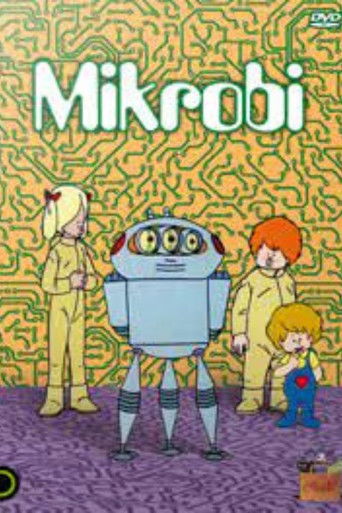
A family weekend. Start on Friday evening with The Little Fox, a warm story about a fox cub and his wise uncle that suits children from about five. On Saturday morning, share a handful of Hungarian Folktales episodes with breakfast, then watch The Elm-Chanted Forest in the afternoon. On Saturday evening, the whole family can laugh at Hugo the Hippo, the Pannonia co-production about a young hippo in Zanzibar, and on Sunday finish with Lapitch the Little Shoemaker and the space adventures of Mikrobi, a three-eyed robot who looks after three children on a journey across the cosmos.
A night of legends. For older viewers who love myth and colour, watch Son of the White Mare, then Heroic Times and Song of the Miraculous Hind. These three Jankovics films form a kind of Hungarian epic cycle, from the creation of the world to the founding of the nation, and their bold designs make them unforgettable on a big screen. Add the Bulgarian folk shorts Wolf Story and The Wondrous Candy Rooster between them for a change of pace.
The art-house evening. For lovers of experimental film, put together a programme of shorts: Sisyphus, The Fly, Moto Perpetuo, Brief History, Genesis, Shapes and Forms, Boles, Rabbit and Deer, Untravel and Imbued Life. In about two hours you will travel through sixty years of artistic invention, from Gopo's clean lines to the stop-motion of today.
The comedy marathon. Laugh along with the region's great comic characters: Gustavus, the Mézga family, The Three Fools, Guguta the Hairdresser, The Three Fools and the Automobile and Catcher: Cat City 2. Finish with Let Us Keep a Dog and Horse in the House for a gentle end to the evening.
Space and science fiction. The region made some of the most original space films in animation. Watch Delta Space Mission, The Son of the Stars, Treasure Planet, Mikrobi, Moon Flight, Ad Astra and John Vardar vs the Galaxy, and the Mézga family's journeys to strange planets in Mézga Aladár különös kalandjai.
Music and animation. Several films on animedrive are set entirely to music. János Háry, a feature version of Kodály's beloved Hungarian opera, Rondino, Moto Perpetuo, Parade, Diurnal Music and Ode are a joy for music lovers of every age.
Parents of young children will find plenty to share on animedrive. The gentlest titles are Berry and Dolly, Hungarian Folktales, Uhuka, The Little Owl, The rabbit with checkered ears, Vízipók-csodapók, Koyaa – Freezing Scarf, Bibi and Bobby in Snowmanville and Mi újság, kuflik?. They have short running times, simple stories and lots of humour, and many rely on pictures and music, so children can enjoy them in any language.
For children from about six, try the features The Little Fox, The Elm-Chanted Forest, The Magician's Hat, Lapitch the Little Shoemaker, Willy the Sparrow, Hedgehog's Home, Prince Ki-ki-do: On the Run and Lilly and the Magic Pearl. The richer legends, such as Son of the White Mare and Heroic Times, suit older children and grown-ups, and the satirical shorts are best enjoyed by teenagers and adults.
Fifteen short guides help you get the most out of animedrive. The How to watch guide explains the path from a poster to the screen, and Finding a title shares search tips for English and original names. My List explains how to keep titles for later and track the episodes you have seen.
The history guides go deeper into the catalogue. Pannonia Film and Hungarian animation introduces the great Budapest studio, The Zagreb school tells the story of Croatian animation, and Romania and Bulgaria follows Gopo and Donev. Folk tales and legends gathers the region's heroes and dragons, and The art of the short film celebrates the prize-winning shorts.
The practical guides cover everything else. Languages and dubs explains original audio and English versions, Apps and devices covers phones, tablets and televisions, and Where animedrive titles stream lists the official services behind the Watch now button. Free animation from the region points to archives and festivals that share films at zero cost, Streaming safely gives a short checklist, The official animedrive site shows how to recognise the real address, and Is animedrive working? offers quick fixes if a page loads slowly.
Most films on animedrive were made in Hungarian, Croatian, Romanian, Bulgarian, Slovenian, Serbian, Macedonian or Bosnian, and many of the most famous have English titles as well. Every title page shows both the English name and the original one, so you can search with whichever you know. Typing Vuk finds The Little Fox, Fehérlófia finds Son of the White Mare, and Šegrt Hlapić finds Lapitch. Many short films use music and pictures alone, and the features often have English dubs or subtitles on the services that carry them.
Names of studios and directors are written in their original spelling, with accents, so Jankovics, Dargay, Blažeković and Popescu-Gopo appear just as they do in film histories. Search also accepts names typed with plain letters, which is handy on an English keyboard.
One of the pleasures of animedrive is the variety of techniques on its shelves. The great Pannonia features were drawn by hand on paper and painted on cels, a slow craft that gives Son of the White Mare and The Little Fox their rich, glowing colours. Ferenc Rófusz drew The Fly with coloured pencils, frame by frame, to create its single dizzying flight through a house. Ferenc Cakó, a master of sand animation, builds his images from grains of sand on a lit glass table and changes them before the camera, so each picture flows into the next.
Stop-motion has a strong tradition in the region too. Puppets and models bring Boles, Hedgehog's Home and Rabbit and Deer to life, and the hand-made textures of these films give them a warmth that viewers of every age can feel. Cut-out animation, in which paper figures are moved under the camera, shaped many of the graphic shorts from Zagreb, Sofia and Skopje, and painting on glass gives several Hungarian and Croatian shorts their dreamlike look.
Today, many studios combine hand-drawn work with digital tools. Four Souls of Coyote, Toldi and Cricket & Antoinette mix traditional drawing with modern colour and compositing, and short films such as Imbued Life and Superbia invent new styles that belong to their artists alone. Each title page names the studio and director, so you can follow a technique from one film to the next.
A few names appear again and again on animedrive. Marcell Jankovics made Johnny Corncob, Son of the White Mare, Sisyphus, The Struggle, Song of the Miraculous Hind and The Tragedy of Man, and his films are a lifetime's journey through Hungarian myth and philosophy. Attila Dargay brought Hungarian literature to families with The Little Fox, Mattie the Goose-Boy, Heroic Times, The Treasure of Swamp Castle and Willy the Sparrow. Béla Ternovszky created Cat City and made the dog-owner comedy Let Us Keep a Dog, and Géza M. Tóth founded KEDD and made Maestro.
In Croatia, Milan Blažeković is the master of the family feature, with The Elm-Chanted Forest, The Magician's Hat and Lapitch. In Romania, Ion Popescu-Gopo shaped the whole national school with his little man, and Călin Cazan and Mircea Toia gave the country its space features. In Bulgaria, Donyo Donev's Three Fools and Todor Dinov's graphic satires set the tone for decades. In Slovenia, Špela Čadež has become one of Europe's most admired stop-motion artists, and in Serbia, the teams behind Untravel and The Final Adventure of Kaktus Kid carry the tradition of satire into the present. Search for any of these names on animedrive to see their films side by side.
Each title page on animedrive is designed to help you decide quickly. At the top you will find the poster, the English and original titles, the year, the running time and the genres. Below them sit the story, the director, the studio and the country, followed by the cast for films with voices. Series pages add a season selector and a full list of episodes with their air dates, and every page ends with related titles from the same shelf, so one discovery leads naturally to the next.
The animedrive catalogue is arranged on fourteen shelves, and every title sits on several of them. Everything holds the whole catalogue, sorted the way you like: by popularity, by rating, by year or by the most recently updated series. The country shelves come next. Hungary is the largest, with more than a hundred films and series from Pannonia, Kecskemét, KEDD and the young studios. Croatia and the Zagreb school, Romania and Bulgaria each hold dozens of titles, and Slovenia, Serbia and more gathers the work of Ljubljana, Belgrade, Skopje and Sarajevo.
The form shelves help when you know how much time you have. Features lists the full-length films, ideal for an evening, while Short films gathers more than two hundred shorts, many of them under ten minutes. Series holds the television shows with their episode lists. The theme shelf Folk tales and legends brings together heroes, dragons, clever foxes and wise kings.
The era shelves, Before 1980, 1980 to 1999 and Since 2000, let you travel through the history of the region decade by decade. Finally, Top rated lists the titles that viewers rate most highly, a perfect place to start if you are new to the region's animation.
Every shelf page offers the same simple layout: a sort menu at the top and a grid of posters, each with its title, its year and its status. Press any poster to open its title page, read the story and add it to My List for later.
The shelves overlap on purpose. A film such as Son of the White Mare appears on Hungary, Features, Folk tales and legends, 1980 to 1999 and Top rated, so whichever door you open, you will find it. This makes the catalogue easy to explore by mood: open Short films when you have a spare quarter of an hour, Series when you want a story that continues over many evenings, and Folk tales and legends when the whole family gathers for a fairy tale. Over time, the shelves become a map of the whole region, and every visit reveals a studio, a director or a country you have yet to meet.
Every title on animedrive is chosen by hand. The catalogue focuses on animation made in Hungary, Croatia, Romania, Bulgaria, Slovenia, Serbia, North Macedonia and Bosnia and Herzegovina, from the founding studios of the 1950s to the festival winners of today. Each entry is checked for its story, its studio and its audience, and the catalogue stays family-friendly, with satire and art films clearly described for older viewers.
Facts on every page, such as release dates, running times, directors and studios, come from public film databases, and the Watch now button uses JustWatch to show the official services in your country. animedrive keeps its pages simple and quick, so you can spend your time watching rather than searching.
The catalogue grows with care. When a restored classic returns to the official services, or a new short wins a prize at Animafest Zagreb, Kecskemét or Annecy, it joins the right shelves with a full page of facts. Older titles are reviewed from time to time, so their posters, running times and services stay fresh and accurate for every visitor.
The animation of Central and South-East Europe is one of the richest treasures in world cinema. Its artists invented new styles, won the highest prizes and made films that generations of children grew up with. animedrive brings these films together in one place, with clear pages, helpful guides and a path to the official services. Open a shelf, pick a poster and press Watch now: a fox cub, a three-eyed robot or three lovable fools are waiting for you.
animedrive is a free guide to animation from Hungary, Croatia, Romania, Bulgaria, Slovenia, Serbia, North Macedonia and Bosnia, with a hand-picked catalogue of nearly three hundred films and series and a Watch now button that leads to official services.
Yes. Browsing, searching and My List are free, and the Watch now button shows free services with adverts as well as subscriptions, rentals and purchases.
Watch now uses JustWatch to list the official services in your country, from national broadcasters and archives to subscription services and digital stores.
Start with The Little Fox for a family evening, Son of the White Mare for a legend, or The Fly for a short masterpiece.
Many features have English dubs or subtitles on the official services, and many short films use music and pictures alone, so they suit every language.
Yes. Search accepts English titles, original titles and plain-letter spellings, so Vuk, Fehérlófia and Šegrt Hlapić all work.
Press Add to My List on any title page. The list stays in your browser, tracks the episodes you have seen and can be exported to another device.
Berry and Dolly, Hungarian Folktales, The Little Fox, The Elm-Chanted Forest and Hedgehog's Home are gentle favourites for young viewers.
animedrive works in any modern browser. On a television, press Watch now and open the chosen service's own app.
New festival winners and restored classics join the shelves regularly, and the Recently updated sort shows the latest additions first.
